
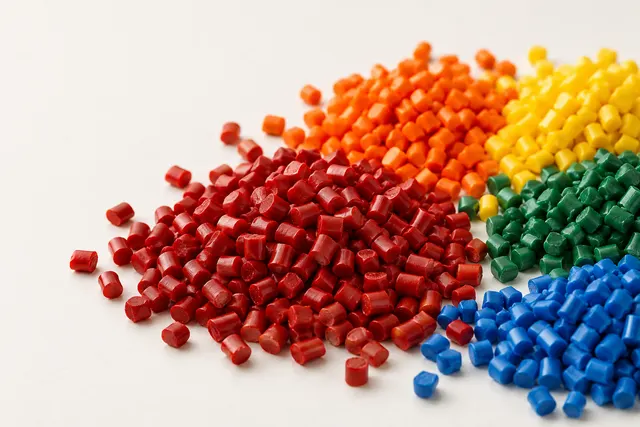
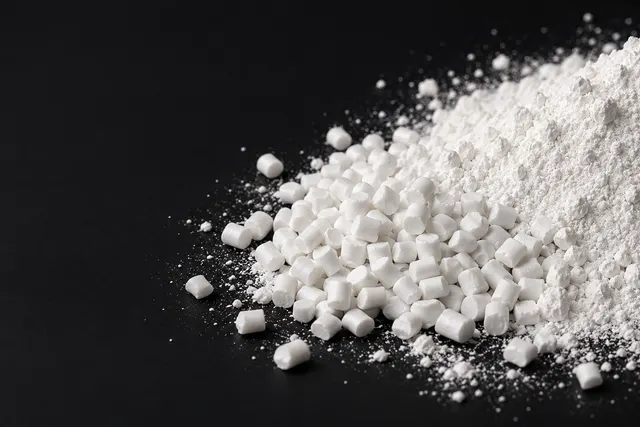
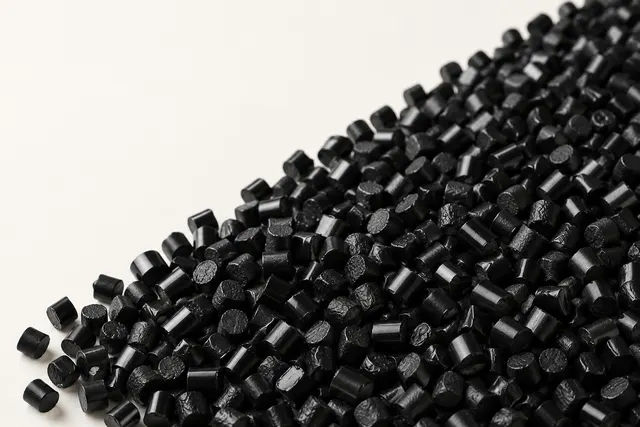
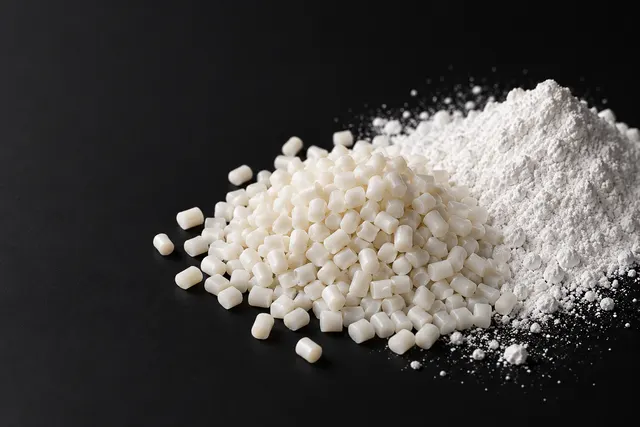
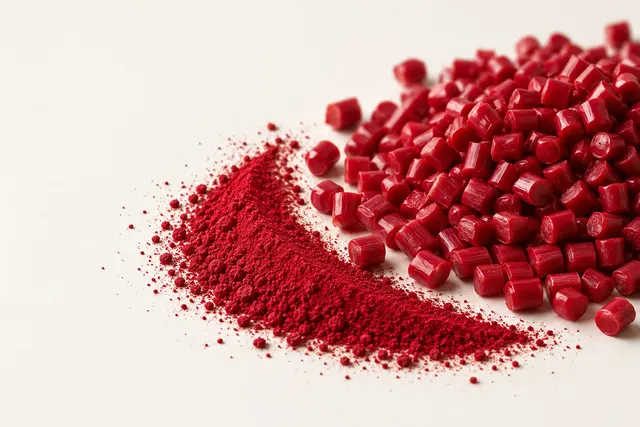
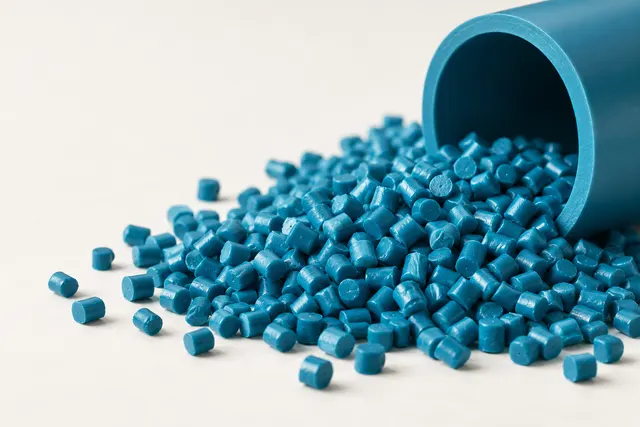
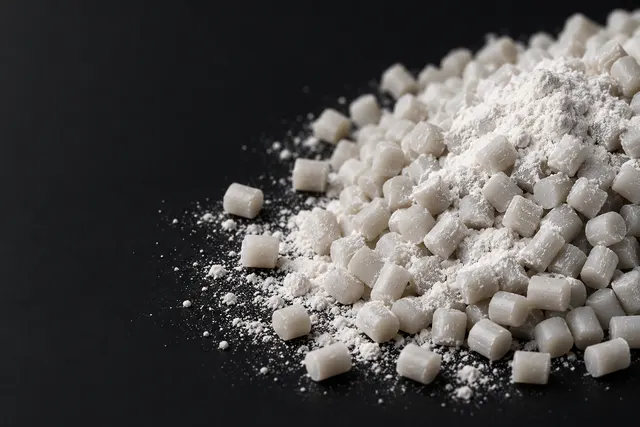
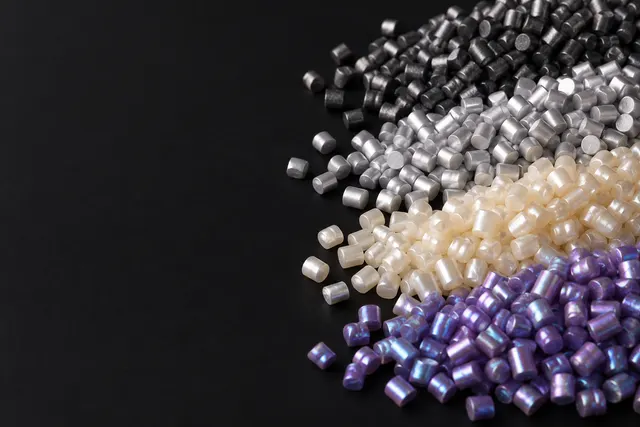
Carrier and resin
Identify the exact resin or blend so the masterbatch carrier can be assessed for compatibility.
The Polymaid range
Explore masterbatch and mineral-filled compounds for your production process.
All productsManufacturing processes
Explore Polymaid masterbatch for injection molding, blow molding, extrusion, and thermoforming. Compare product families for your polymer and production process.
From formulation to production
A masterbatch must work with the polymer and the way it is processed. Carrier compatibility, pigment dispersion, temperature, and dosing all need to be considered alongside the color target. A grade selected for one process may need review before it is used on another line.
Polymaid's masterbatch and Calpet / filler range provides starting points for molding, extrusion, and formed-sheet applications. Use the process guides below, then compare product families in the interactive chart and share your production details with our team.
Identify the exact resin or blend so the masterbatch carrier can be assessed for compatibility.
The let-down ratio is the masterbatch addition rate. Confirm it for the selected grade and your mixing equipment.
Assess the proposed formulation at the intended temperature, thickness, and line conditions before production.
Process 01
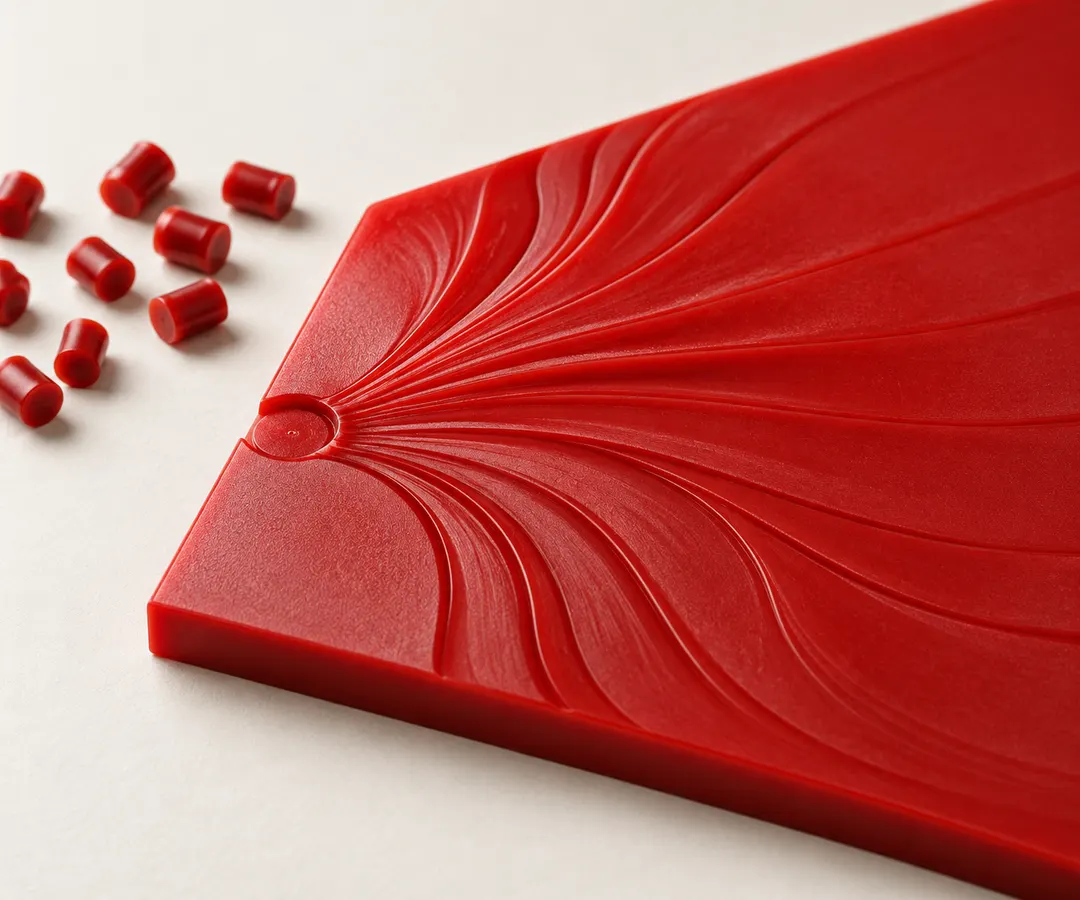
Masterbatch for injection molding brings color, white opacity, or a black finish to caps, housewares, and other molded parts. The concentrate is blended with a compatible base resin at a grade-specific dosing level before molding.
Share the resin grade, processing temperature, part thickness, and surface texture. Assess dispersion and shade in the actual mold, particularly where flow patterns affect appearance. If Calpet or talc-filled material is also being considered, review the complete formulation for flow, shrinkage, and the required part properties.
Explore masterbatch & filler families
Discuss your masterbatch requirement ↗
Process 02
Masterbatch for blow molding is selected around the bottle or hollow component, its polymer, and the target appearance. Color masterbatch creates the shade, while white or black masterbatch can be explored for opaque container designs.
Specify whether the process is extrusion blow molding or stretch blow molding, and identify the exact resin. Share wall thickness, container capacity, and a reference sample. Review color and opacity across the final wall distribution, together with any contents-contact or mechanical requirements.
Explore masterbatch & filler families
Discuss your masterbatch requirement ↗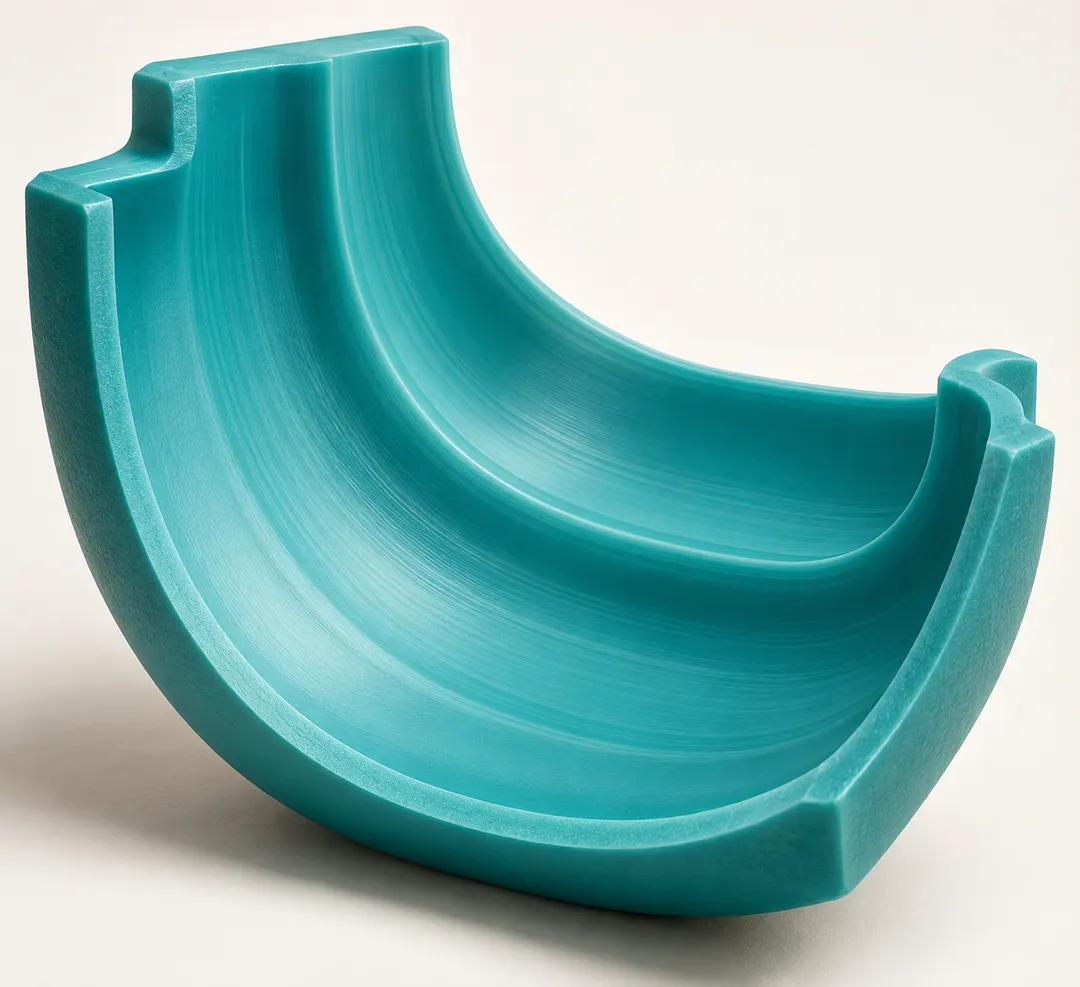
Process 03
Color masterbatch for rotational molding requires a formulation and material format suited to the rotational process. Tanks, large hollow products, and molded outdoor articles need a color solution developed around their resin and heating cycle.
Tell us whether you use powder, pellets, or precompounded material and how the color will be incorporated. Review pigment heat stability, distribution, and the finished surface. Confirm the preparation method and exact grade before use; an injection-molding masterbatch is not automatically suitable for rotomolding.
Explore masterbatch & filler families
Discuss your masterbatch requirement ↗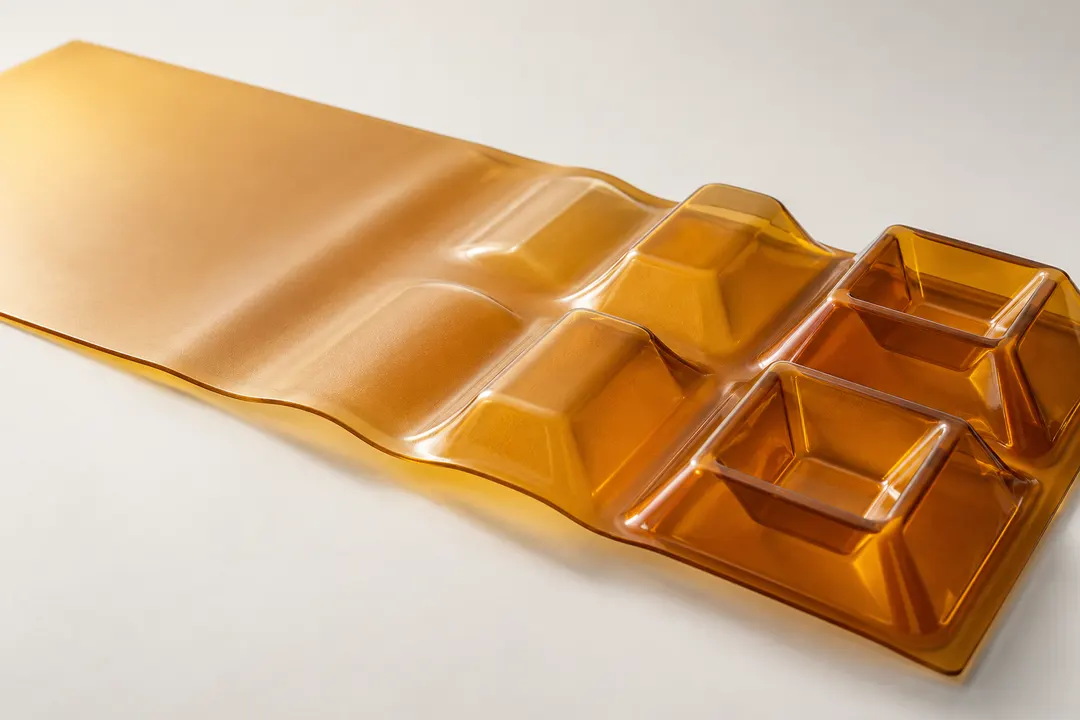
Process 04
Masterbatch for thermoforming is normally incorporated when the sheet is produced, before the sheet is heated and formed. Color and opacity should therefore be specified for the finished tray, liner, or formed component as well as the starting sheet.
Provide the resin, initial sheet gauge, draw ratio, and minimum finished wall thickness. Stretching changes the thickness through which color is viewed. Evaluate the formed corners and deeper sections, and review any Calpet or talc-filled formulation against forming behavior and the required final properties.
Explore masterbatch & filler families
Discuss your masterbatch requirement ↗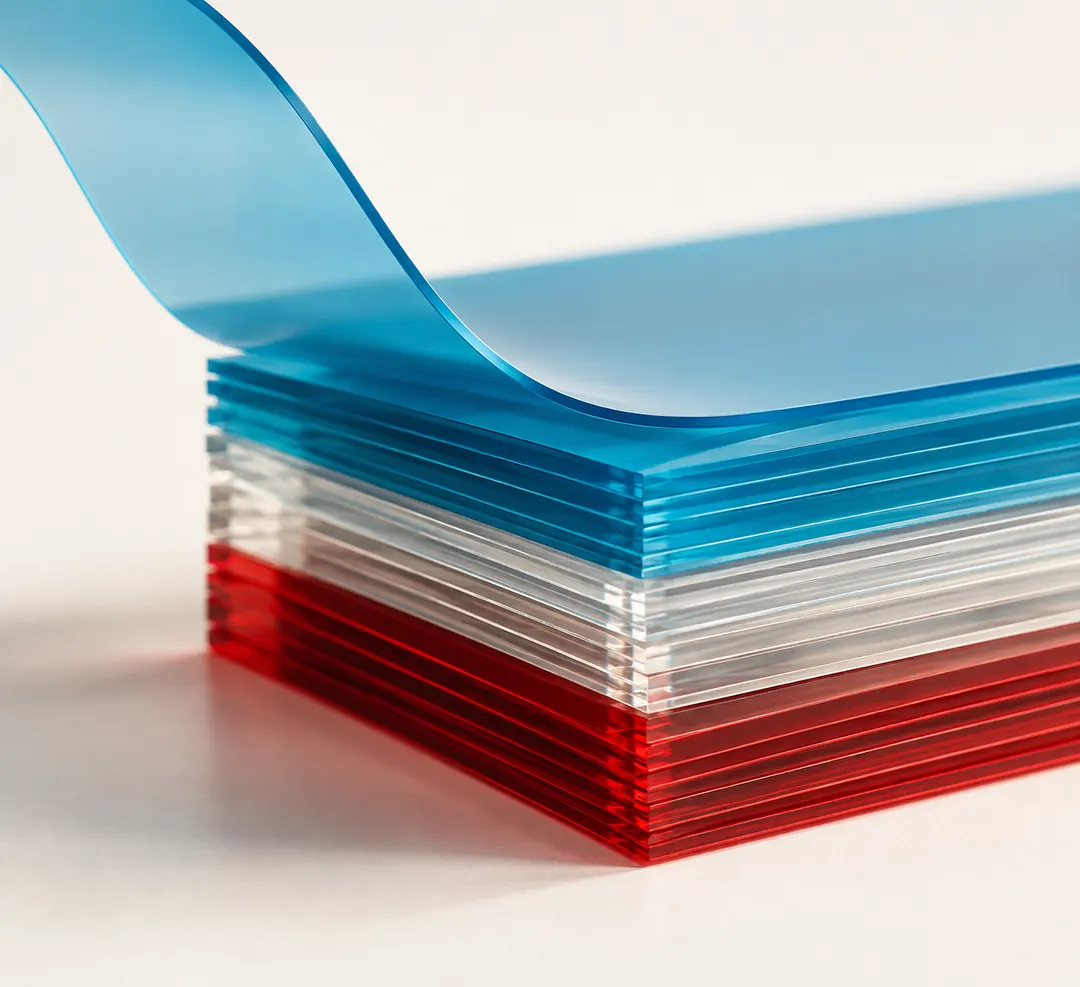
Process 05
Masterbatch for sheet extrusion helps produce colored, white, or black plastic sheet for fabrication and forming. The carrier resin, pigment dispersion, and dosing consistency all contribute to the appearance of the continuous sheet.
Include the polymer, sheet thickness, layer arrangement, and surface finish in your enquiry. For mineral-filled sheet, discuss the intended filler loading and property targets. If the sheet will later be thermoformed, develop the masterbatch brief around both extrusion and the subsequent forming step.
Explore masterbatch & filler families
Discuss your masterbatch requirement ↗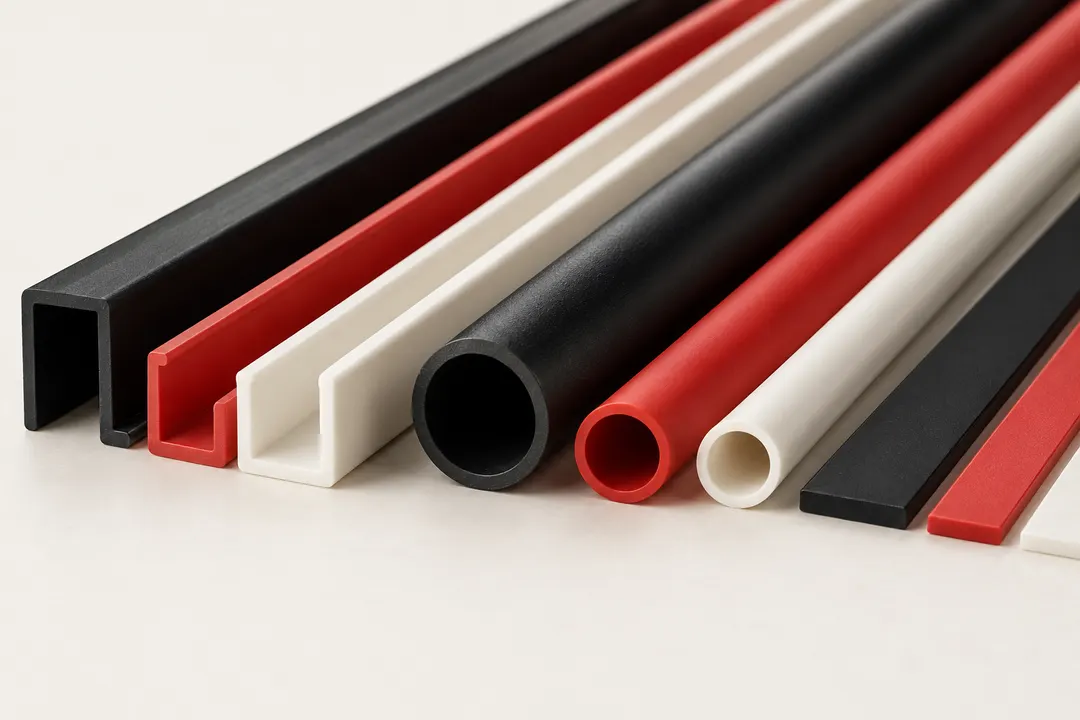
Process 06
Masterbatch for profile extrusion provides color for continuous plastic sections, trims, and related extruded products. PVC masterbatch should be matched to the PVC formulation; concentrates for other polymers need an appropriate carrier and processing range.
Share the resin formulation, section geometry, line conditions, and dimensional requirements. Include the target shade and whether the profile is used indoors or outdoors. Review color uniformity, surface appearance, and any filled formulation in a trial using the intended extrusion setup.
Explore masterbatch & filler families
Discuss your masterbatch requirement ↗
Process 07
Masterbatch for blown-film extrusion adds color or opacity to flexible films. White, black, and color concentrates must disperse through the selected resin blend, while Calpet / filler masterbatch requires a separate review of loading and film properties.
Specify film gauge, mono-layer or multi-layer construction, resin blend, and which layer will contain the masterbatch. Assess dispersion, opacity, and visible defects alongside tear, tensile, and sealing requirements. Confirm the grade and dosing level with a film trial at the intended production thickness.
Explore masterbatch & filler families
Discuss your masterbatch requirement ↗Masterbatch compatibility
Product-to-process explorer
Custom and standard color concentrates developed around the resin, equipment, target shade, and finished application.
| Product family | |||||||
|---|---|---|---|---|---|---|---|
Listed applications reflect industry use of the product family. Final grade selection depends on your resin, equipment, and end use. Confirm suitability with the Polymaid team.
There is no single addition rate for every masterbatch. The pigment or filler concentration, target color or opacity, base resin, and process all affect the choice. Request a recommended starting level for the specific grade, then confirm the result in a production trial.
Some grades can serve more than one process, but this needs confirmation. Review the carrier, processing temperature, dispersion, and finished-product requirements for each line. The compatibility chart identifies product families to discuss; it does not replace a grade-specific recommendation.
Masterbatch is normally incorporated during the extrusion of the sheet that will later be thermoformed. Evaluate both the original sheet and the final formed part, because stretching changes wall thickness and can change the perceived shade and opacity.
Let’s make it work for you
Bring us your resin, process, and target. We’ll help you take the next step.