

Loading strategy
Discuss the target filler level together with processing and finished-part requirements.
The Polymaid range
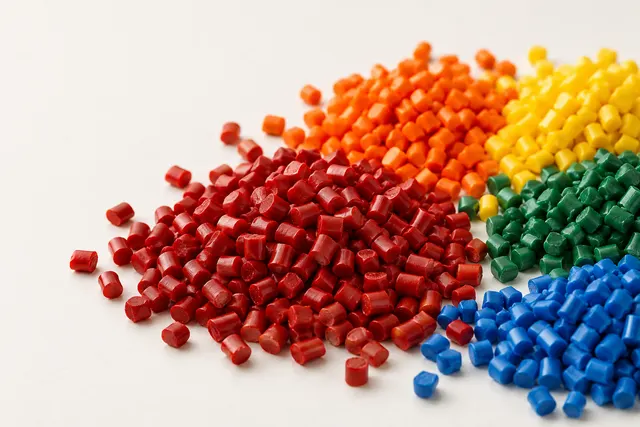
Explore masterbatch and mineral-filled compounds for your production process.
All productsMasterbatch & filler
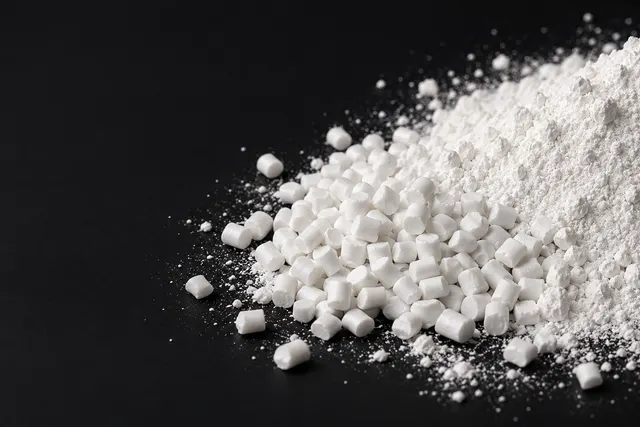
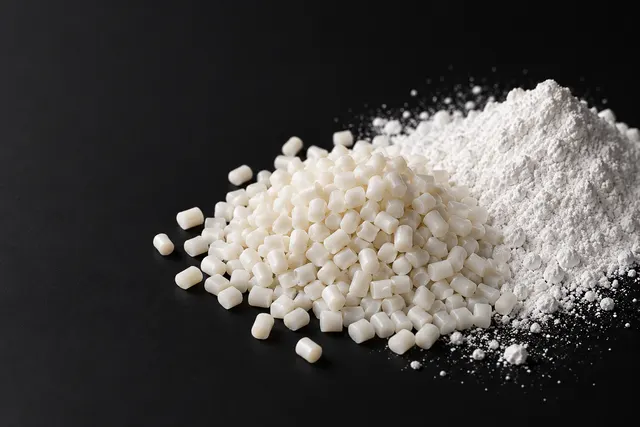
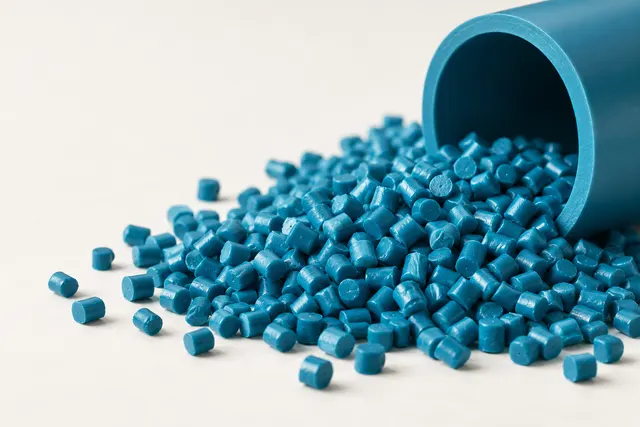
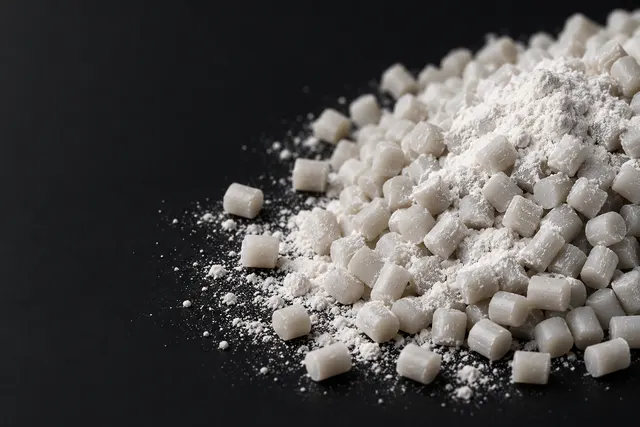
Calpet calcium carbonate-filled compounds developed around polymer, filler loading, processing method, cost target, and finished plastic application.
Product overview
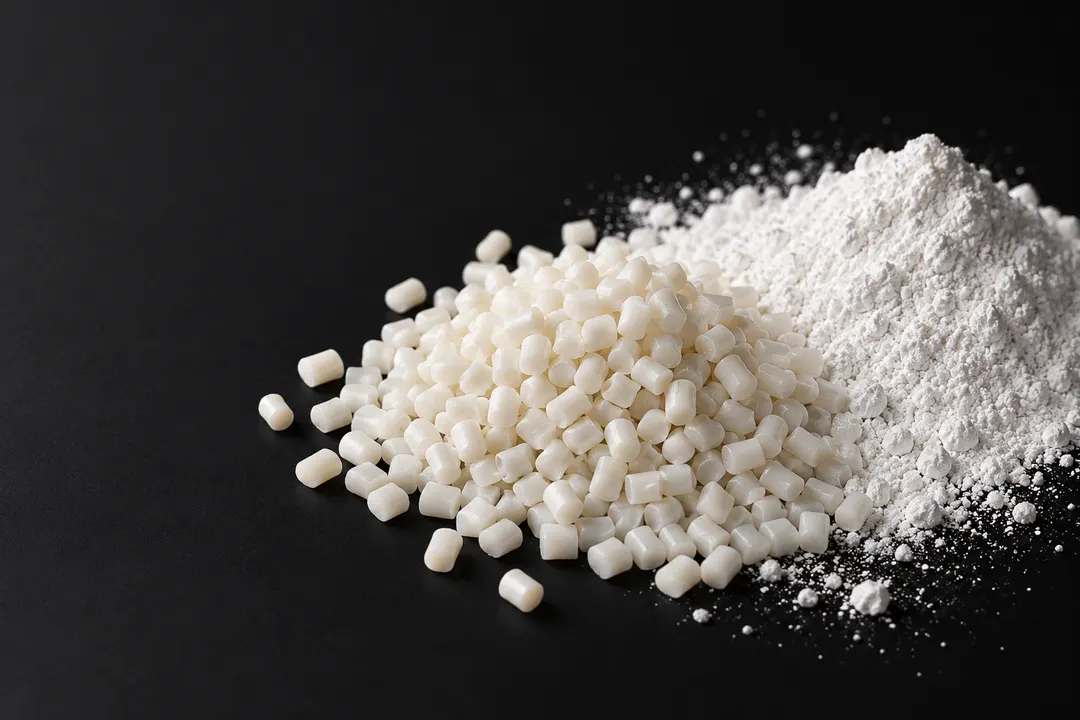
Polymaid manufactures Calpet calcium carbonate-filled compounds for plastic processors. The right filler system depends on the base polymer, calcium carbonate characteristics, carrier, loading target, process, and finished-product requirements.
Discuss the target filler level together with processing and finished-part requirements.
Review compatibility with the intended PP, PE, or other project-specific resin system.
Consider molding, film, sheet, raffia, nonwoven, or extrusion conditions.
Applications
Explore potential applications, then confirm the right grade for your resin and production conditions.
Explore manufacturing processes ↗Calcium-filler benchmark
Technical literature for calcium-carbonate masterbatch reports both the CaCO3 level inside the pellet and the amount of masterbatch added to the base polymer. They are different numbers and must be evaluated together.
| Application starting point | CaCO3 in concentrate | Published addition reference | Carrier / compatibility |
|---|---|---|---|
| Film, yarn, and general polyolefins | 83 +/- 1% | 5-25% | PE + PP / LLDPE, LDPE, HDPE, PP |
| PP injection molding | 86 +/- 2% | 5-40% | PP |
| Blown PE film above 15 microns | 81.5 +/- 2% | 40% average reference | PE |
How to use this chart: These are independent manufacturer benchmarks, not Polymaid specifications or universal recipes. Begin conservatively, then confirm dispersion, film or part properties, surface, density, output, and economics in the customer's resin and equipment before approving a Polymaid grade.
Calcium carbonate filler can influence material cost, stiffness, density, appearance, shrinkage, thermal behavior, and processing. Those effects depend on the complete formulation and should be evaluated as trade-offs rather than assumed benefits.
Particle characteristics, surface treatment, carrier resin, dispersion, moisture control, and loading all matter to the production result.
A strong enquiry explains what the processor wants to achieve and which properties cannot be compromised. Share the base resin, current formulation, process, existing filler level, finished application, and target economics.
Polymaid can then review the most relevant Calpet direction for sampling and customer validation. Production approval remains the customer’s responsibility in the intended formulation and equipment.
Product questions
Calpet is the term used here for Polymaid’s calcium carbonate-filled material systems for plastics processing.
There is no universal loading level. It depends on the polymer, process, particle and carrier system, product geometry, and acceptable property trade-offs. A trial is required.
It may change formulation economics, but cost should be assessed alongside density, mechanical properties, processing behavior, appearance, and reject rate.
Keep exploring
Let’s make it work for you
Bring us your resin, process, and target. We’ll help you take the next step.