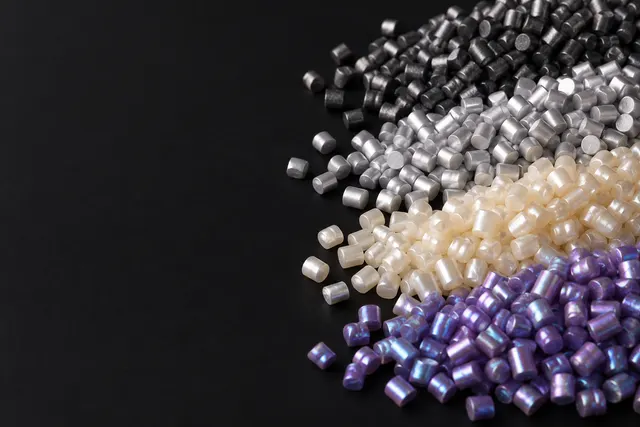
Shade direction
Discuss jetness, brightness, and blue or brown undertone requirements.
The Polymaid range
Explore masterbatch and mineral-filled compounds for your production process.
All productsMasterbatch & filler
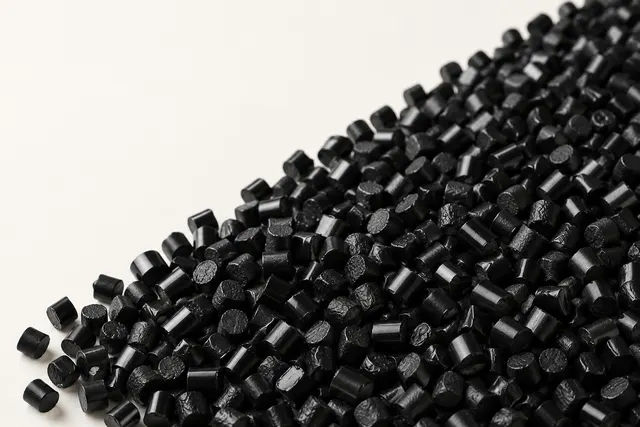
Black masterbatch options developed around polymer, processing method, target jetness or undertone, weather exposure, and finished application.
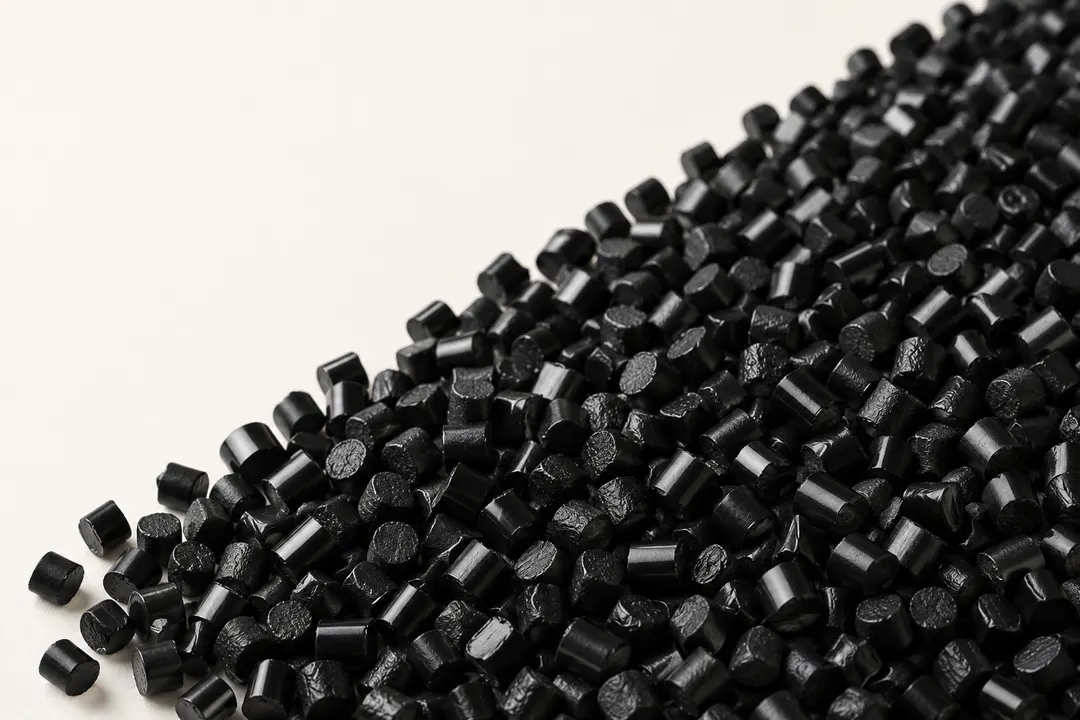
Product overview
Polymaid supplies black masterbatch for molding, extrusion, film, pipe, cable, automotive, packaging, and other plastic applications. Product selection begins with the required shade, carbon-black performance context, polymer, process, and finished-part requirements.
Discuss jetness, brightness, and blue or brown undertone requirements.
Review the product around the intended resin, dosing, process, and surface expectation.
Consider indoor or outdoor use, film or part thickness, and relevant production conditions.
Applications
Explore potential applications, then confirm the right grade for your resin and production conditions.
Explore manufacturing processes ↗Black masterbatch benchmark
Published manufacturer data shows why black masterbatch should be selected by carrier, application, dispersion requirement, and final carbon-black target rather than color alone.
| Application starting point | Concentrate reference | Carrier / compatibility | Selection note |
|---|---|---|---|
| Agricultural mulch film | 35% carbon black | PE / polyolefins | Addition rate depends on final performance |
| Irrigation pipe | 40% carbon black | PE / LDPE, LLDPE, HDPE, PP | 6.25% typical reference addition |
| PS engineering moldings | 30% p-type carbon black | PS / PS, HIPS, ABS, SAN | Flow and dimensional stability are key |
How to use this chart: These figures are independent manufacturer benchmarks, not Polymaid grade specifications. They show the information needed for selection. Polymaid concentration, carrier, dosing, jetness, UV performance, and dispersion must be confirmed on the quotation or technical data sheet for the selected grade.
Two black products can look similar in a sample and behave differently during production. Carbon black type, concentration, carrier compatibility, dispersion, wall thickness, and surface finish influence the final appearance.
Tell us whether the priority is deep jetness, a specific undertone, opacity, processing consistency, or suitability for a defined application. This makes the enquiry more useful than requesting a generic black grade.
Injection molding, blown film, pipe extrusion, and cable applications place different demands on material flow, dispersion, and appearance. The base polymer and production method should therefore be included in every request.
Where outdoor exposure or other functional requirements matter, state them clearly so the team can determine what further technical review or testing is required.
Product questions
Provide the polymer, process, target shade or existing sample, finished application, thickness, expected quantity, and any exposure or performance requirements.
No. Carbon black type, loading, carrier, dispersion, undertone, and application requirements can differ. The correct grade depends on the production context.
Yes, but outdoor suitability requires a clear description of exposure and product requirements. Final performance should be validated for the intended application.
Keep exploring
Let’s make it work for you
Bring us your resin, process, and target. We’ll help you take the next step.